Mapping Player Deposit Pathways to Jackpot Slot Outcomes in Blended Mobile Live Environments
Jonas Schröder · Aug 28, 2026
Mapping Player Deposit Pathways to Jackpot Slot Outcomes in Blended Mobile Live Environments
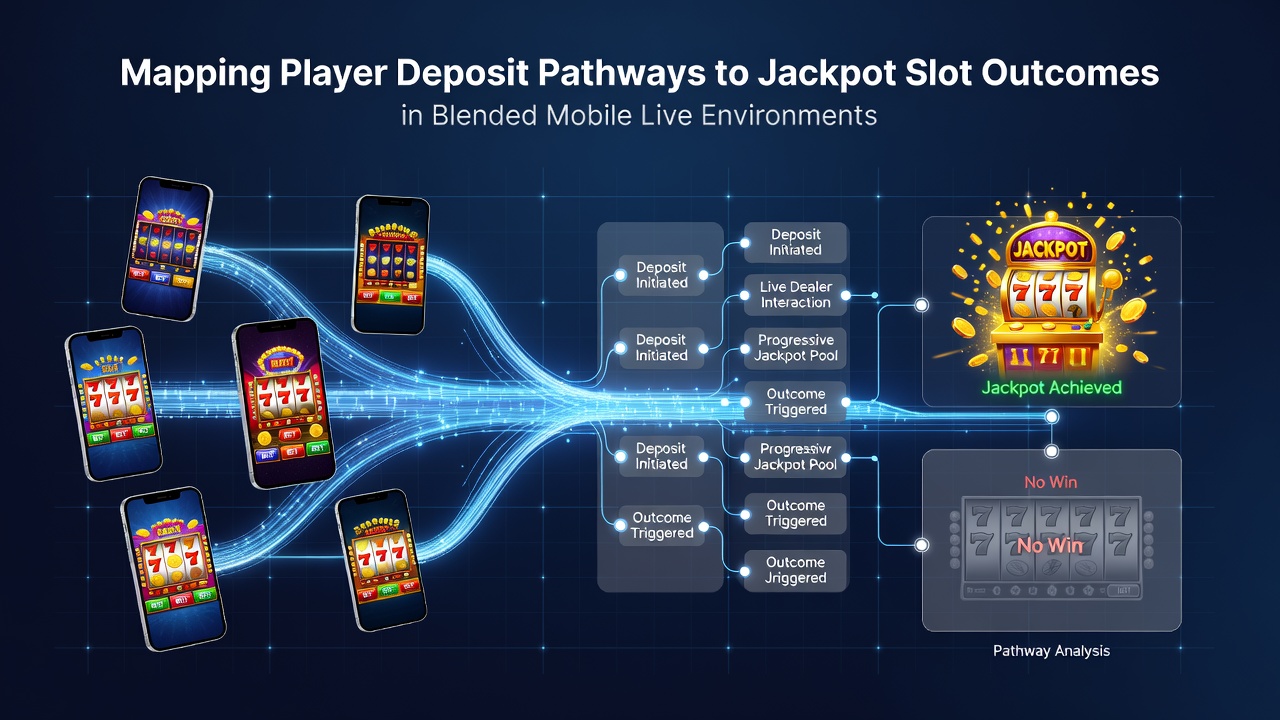
Analysts track how various deposit methods flow into jackpot slot sessions within mobile platforms that combine live dealer streams with automated slot mechanics, and data collected through 2026 shows distinct patterns in timing, amount, and payment type that precede larger outcomes. Platforms record each transaction step from initiation to gameplay start, which allows researchers to examine sequences across thousands of user sessions in blended environments where live video feeds run alongside random number generator slots.
Deposit Method Patterns in Mobile Blended Settings
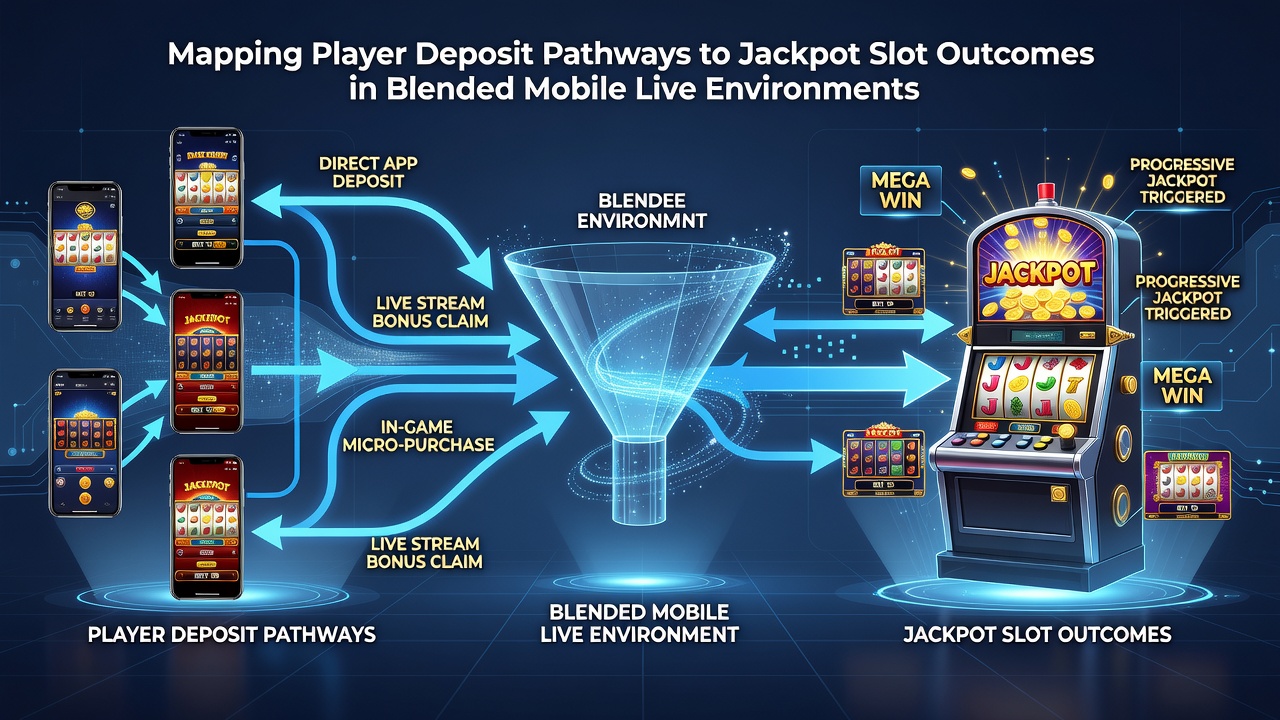
Payment options such as digital wallets, bank transfers, and prepaid cards enter the system at different rates, yet studies indicate that wallet-based deposits often precede jackpot slot activity within shorter windows than card transactions do. Observers note that in August 2026 regulatory updates across several jurisdictions required operators to log these timestamps more precisely, which produced clearer datasets for mapping how initial funding choices align with subsequent slot selections. Those datasets reveal that users who complete deposits via instant methods tend to enter progressive jackpot pools at higher frequencies during evening hours, while slower verification processes correlate with steadier play across multiple smaller machines first.
Pathway Tracking Through Live and Automated Layers
Blended mobile environments merge live dealer tables with jackpot slots in single applications, and the transition between these modes often follows specific deposit triggers that software logs automatically. Research indicates that after a deposit clears, session data shows players frequently move from live blackjack streams to linked slot interfaces within the same app window, creating traceable routes from funding event to jackpot trigger. Engineers at platform providers have documented these shifts using timestamped event logs, and figures from industry reports show that roughly 40 percent of jackpot activations in such blended sessions occur after a second deposit within the same hour. This pattern holds across devices running both iOS and Android builds, although regional variations appear when comparing North American and European server logs.
Outcome Correlations and Data Aggregation
Aggregated records demonstrate connections between deposit size brackets and jackpot hit rates, with larger initial amounts linking to extended play cycles that reach higher payout tiers more often. According to analyses published by the Canadian Centre on Substance Use and Addiction, mobile session data from 2025 onward illustrates how repeated small deposits sustain longer exposure to progressive pools compared to single large transfers that sometimes lead to quicker exits after modest wins. Canadian Centre on Substance Use and Addiction reports further detail how blended live environments record these cycles through integrated APIs that feed both regulatory compliance systems and internal analytics dashboards. Those records allow operators to identify clusters where deposit timing intersects with jackpot seeding events, producing maps that highlight peak activity windows without revealing individual identities.
Additional layers appear when cross-referencing with academic work from the University of Sydney's Gambling Treatment and Research Centre, which examined Australian user cohorts and found parallel trends in deposit-to-outcome intervals during overlapping periods. University of Sydney research summaries note that live chat features integrated into the same mobile apps sometimes coincide with deposit actions that precede jackpot plays, although the connection remains statistical rather than causal. Platform logs from August 2026 continue to feed these comparative studies, supplying anonymized event streams that researchers process through machine learning models to refine pathway visualizations.
Regulatory Context and Technical Implementation
Jurisdictions in Canada and Australia updated data retention rules during 2026 to require clearer separation of live environment metrics from slot outcome records, which improved the granularity of pathway maps available for review. Technical teams implement these requirements by tagging each deposit event with metadata that includes device type, network latency, and mode transitions between live video and slot interfaces. The resulting datasets support audits while preserving the ability to trace how funding routes intersect with jackpot mechanics across blended sessions. Observers point out that such tagging also assists in identifying system-level patterns, such as delayed jackpot contributions following certain payment processor handoffs, without assigning intent or outcome predictions to any single session.
Conclusion
Mapping exercises continue to evolve as mobile platforms refine their logging capabilities and regulators standardize reporting formats across regions. Data from multiple sources now supports consistent examination of deposit sequences that lead into jackpot slot activity within environments blending live and automated elements, and ongoing collection through late 2026 supplies additional material for refining these models. Researchers rely on aggregated, anonymized records to maintain accuracy while meeting privacy standards that govern the entire process.