Mapping Licensing Variations to Strategy Resources for Table Games in Regulated Digital Spaces
Jonas Schröder · Aug 26, 2026
Mapping Licensing Variations to Strategy Resources for Table Games in Regulated Digital Spaces
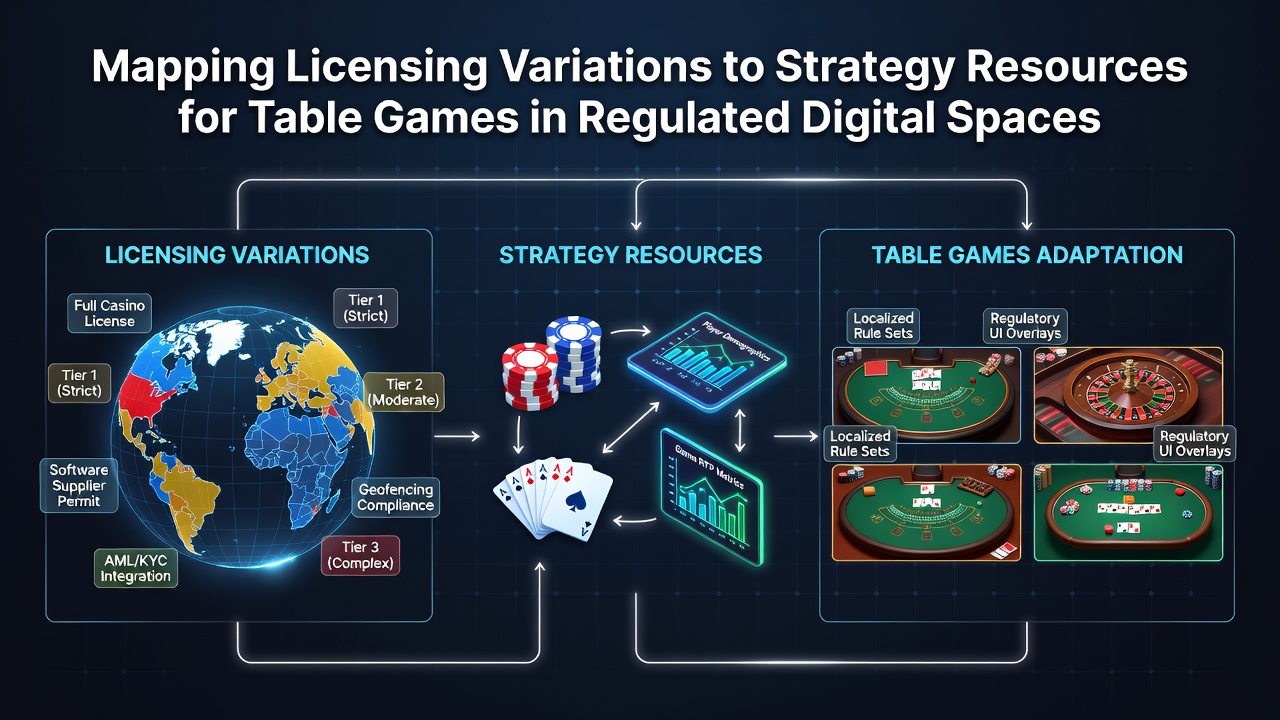
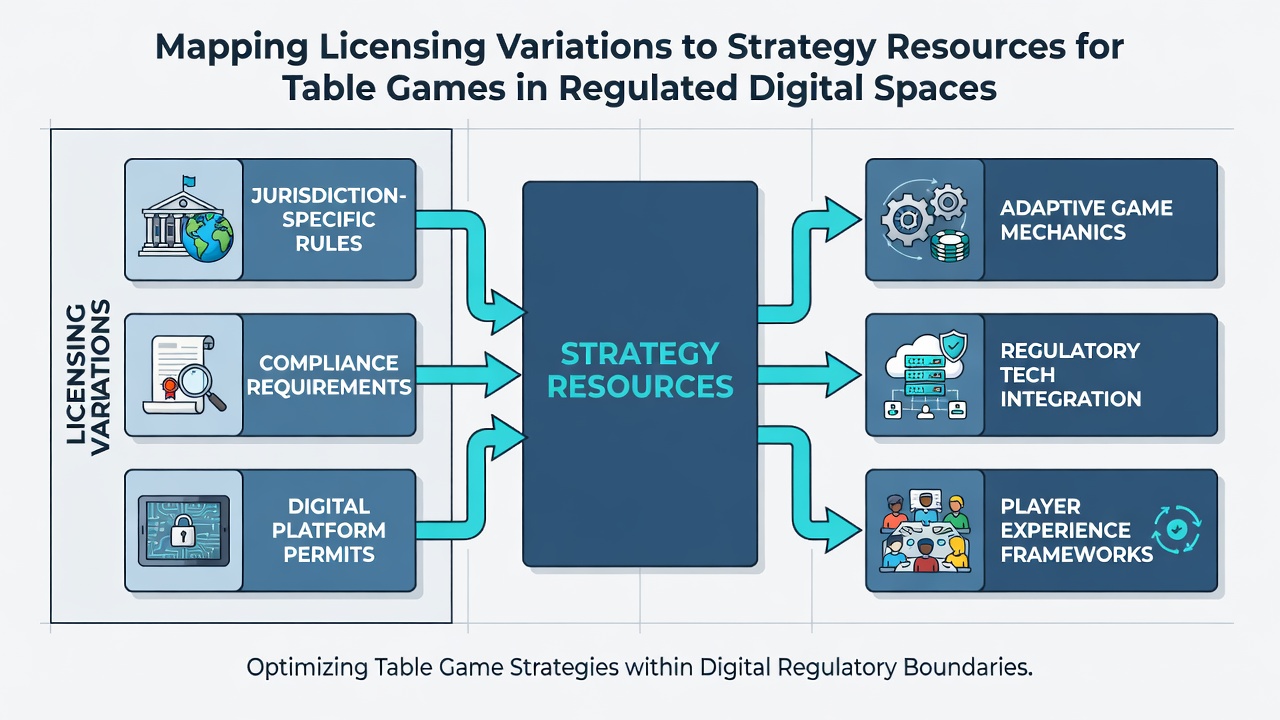
Regulated digital spaces for table games operate under licensing frameworks that differ sharply across jurisdictions, and operators map these variations directly to resource allocation for strategy development. Data from industry reports show that license conditions dictate everything from software certification requirements to player verification protocols, which in turn shape how casinos deploy analytical tools and compliance staff for games such as blackjack, baccarat, and poker variants. Observers note that in markets with strict RNG audits, operators dedicate larger portions of their technical budgets to third-party testing, whereas lighter regimes allow more flexibility in real-time analytics deployment.
Jurisdictional Differences in License Conditions
North American states like New Jersey and Pennsylvania impose detailed rules on game fairness and data reporting that contrast with frameworks in the European Union outside the UK. According to records from the New Jersey Division of Gaming Enforcement, licensees must submit quarterly reports on table game hold percentages and player behavior metrics, which forces operators to integrate dedicated monitoring platforms early in their operational setup. Meanwhile, Malta Gaming Authority standards emphasize multi-jurisdictional player protection measures that require cross-border data sharing agreements, leading operators to allocate strategy resources toward unified CRM systems rather than region-specific dashboards.
Asian regulatory bodies, including those in Singapore and Macau's digital extensions, often tie licensing to revenue share models that influence how casinos prioritize high-limit table game offerings. Research from the American Gaming Association indicates that these models encourage investment in predictive modeling software to forecast table game volatility under different staking limits, while Canadian provincial regulators focus on responsible gaming integrations that divert resources toward session time tracking modules.
Aligning Resources with License-Specific Requirements
Strategy resources encompass both human expertise and technological infrastructure, and licensing variations determine their distribution. Operators in tightly controlled environments typically assign compliance teams to oversee every rule update, which includes mapping new restrictions on side bets or progressive jackpots to updated risk assessment protocols. In August 2026, several US state commissions are scheduled to introduce enhanced API standards for live dealer feeds, prompting operators to redirect development cycles toward real-time latency reduction tools that maintain regulatory compliance without disrupting gameplay flow.
Those who have examined cross-border operations find that licenses requiring localized server hosting create separate resource pools for each market. This segmentation affects how strategy teams model game theory elements such as optimal betting patterns in blackjack, because data silos prevent unified machine learning models from training across all jurisdictions at once. Industry organizations like the European Gaming and Betting Association have published guidelines that help operators consolidate these models through anonymized data sharing where permitted, reducing duplication of analytical effort.
Practical Mapping Examples Across Markets
Consider an operator expanding from a Pennsylvania license to a new Canadian provincial approval. The shift requires reallocation of security resources because Canadian rules mandate additional encryption layers for player funds during table game sessions. Strategy teams respond by updating their bankroll management simulations to account for the increased processing overhead, ensuring that projected hold percentages remain accurate under the new constraints. Data shows that such transitions often coincide with temporary pauses in feature rollouts while teams validate compliance.
Another pattern emerges when licenses allow skill-based bonus rounds in table games. Jurisdictions that classify these rounds as separate gaming elements demand distinct certification paths, which operators address by splitting their quality assurance teams into parallel tracks. This division preserves momentum on core game strategy while meeting staggered approval deadlines. Academic studies on digital gambling platforms have documented how these splits correlate with faster time-to-market in multi-license portfolios.
Resource Optimization Techniques
Operators increasingly use modular compliance software that adapts to different license parameters through configuration files rather than custom code. This approach lets strategy resources focus on game mathematics and player segmentation instead of repeated regulatory rewrites. Figures from regulatory filings reveal that companies maintaining such modular systems report lower overhead when entering new digital markets, because the same core analytics engine satisfies varying reporting frequencies and data formats.
Training programs for table game dealers and analysts also reflect licensing differences. Markets with mandatory responsible gaming training hours allocate dedicated modules on detecting patterns that might indicate problem play during live sessions, whereas other regimes emphasize technical training on RNG integrity checks. These variations force human resource departments to maintain region-specific curricula that align with each license's ongoing education requirements.
Conclusion
Mapping licensing variations to strategy resources remains an ongoing operational necessity for table games in regulated digital spaces. The connections between license conditions and resource deployment determine how operators balance compliance demands with competitive gameplay offerings. As regulatory landscapes continue to evolve, organizations that maintain flexible mapping processes position themselves to adapt quickly when new jurisdictions open or existing rules shift.