How Deposit Security Protocols Shape Tactical Shifts in Progressive Blackjack Variants Across Wireless Platforms
Jonas Schröder · Nov 6, 2026
How Deposit Security Protocols Shape Tactical Shifts in Progressive Blackjack Variants Across Wireless Platforms
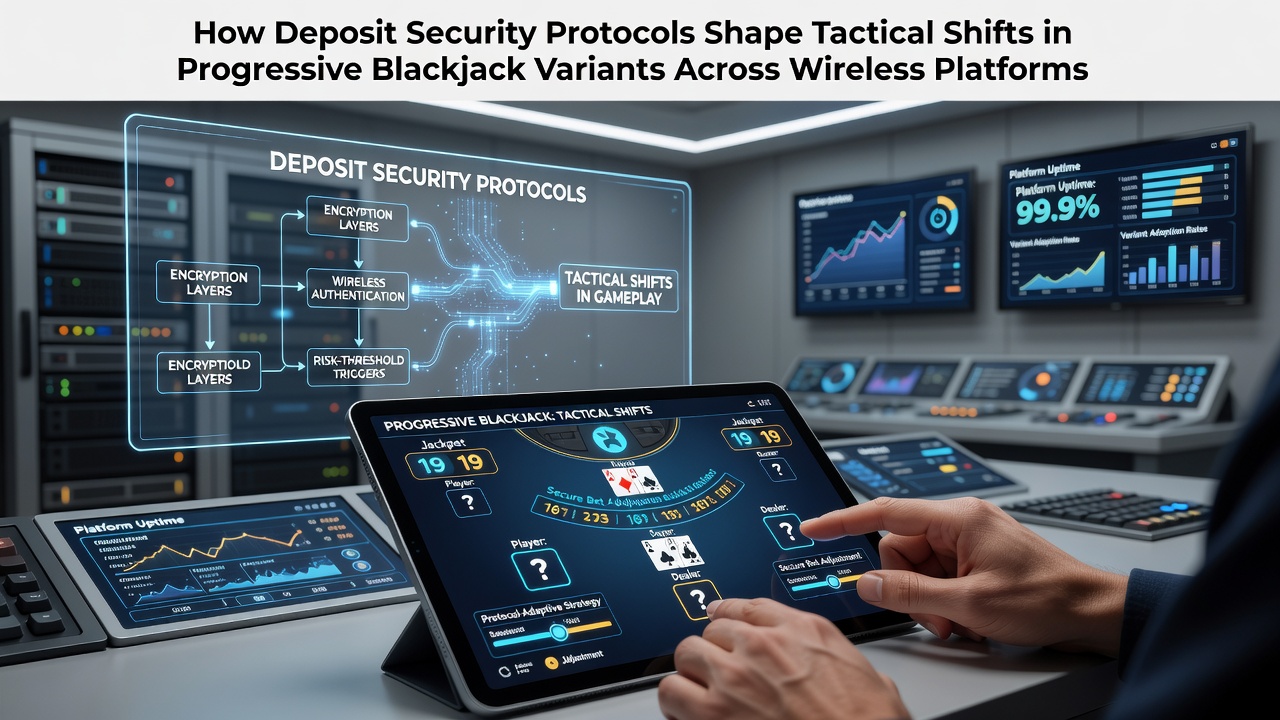
Deposit security protocols have become central to how players adjust their approaches in progressive blackjack games delivered over wireless networks, and the mechanics involve layered encryption alongside authentication layers that directly influence timing and available bankroll decisions during sessions. These systems often incorporate tokenization methods and multi-factor verification sequences which extend or compress the interval between fund transfer and gameplay initiation. Observers note that such variations prompt shifts in bet sizing and risk thresholds, particularly when progressive jackpot pools accumulate across connected devices in real time.
Core Elements of Security Protocols in Mobile Environments
Encryption standards such as TLS 1.3 combined with device-bound biometric checks form teh baseline for many wireless platforms offering progressive blackjack variants, and these measures create measurable differences in deposit processing durations compared to desktop counterparts. Data from regulatory filings indicate that platforms integrating additional fraud detection algorithms require an extra verification step in roughly 35 percent of transactions during peak hours, which alters the window for players to respond to rising jackpot meters. Researchers have documented how these delays encourage pre-planned deposit schedules rather than spontaneous top-ups, leading to modified doubling or splitting frequencies once play resumes.
Impact on Bankroll Management and Betting Adjustments
Security-induced pauses in fund availability push many participants toward conservative initial wagers in progressive formats where side bets feed the shared prize pool, whereas quicker authenticated sessions permit more aggressive position sizing once the meter exceeds certain thresholds. Studies tracking session logs across multiple operators reveal that users facing two-factor delays tend to reduce their average bet by 12 to 18 percent in the opening hands following a deposit, conserving resources while awaiting confirmation. This pattern holds across variants that tie progressive contributions to specific hand outcomes such as suited blackjacks or dealer bust sequences.
Wireless network latency compounds these protocol effects, and operators have responded by deploying edge-based verification nodes that shorten authentication windows without compromising compliance standards. Figures from industry reports show a 22 percent reduction in average deposit-to-play time when such optimizations are active, allowing participants to maintain momentum in games where progressive eligibility resets after each round. Those monitoring regional trends observe corresponding changes in strategy resources, with updated charts appearing in November 2026 that account for these timing variables in mobile-specific contexts.

Regional Regulatory Influences on Protocol Implementation
Different jurisdictions apply distinct requirements for deposit safeguards, and these differences translate into tactical variations for players accessing the same progressive blackjack title through carriers in separate markets. Platforms operating under frameworks from the Malta Gaming Authority, for instance, emphasize continuous transaction monitoring that can trigger secondary approvals during high-volume periods, whereas Canadian provincial systems prioritize integrated wallet solutions that streamline verification for returning users. According to data released by the Australian Securities and Investments Commission, such protocol differences correlate with measurable shifts in average session length and jackpot participation rates across wireless devices.
Players navigating these environments often adapt by maintaining multiple verified funding sources, and this preparation reduces the friction when security layers activate unexpectedly. Evidence gathered from transaction analytics indicates that accounts with pre-cleared payment instruments experience fewer interruptions, enabling consistent application of basic strategy adjustments tailored to progressive payout structures. The reality is that these adaptations have become standard practice as more operators expand their wireless offerings in late 2026.
Technical Interactions Between Protocols and Game Variants
Progressive blackjack variants frequently embed side wager mechanics that contribute to growing prize pools, and deposit security protocols influence whether players can fund those side bets promptly when pool sizes reach attractive levels. Token refresh intervals and session token validation routines sometimes interrupt the flow between main bet placement and side wager activation, prompting users to sequence their actions differently. One analysis of platform telemetry found that sessions with sub-three-second deposit confirmations recorded 27 percent higher side bet engagement rates than those experiencing longer security checks.
Wireless carriers have introduced dedicated gaming lanes in their networks that prioritize low-latency connections for verified casino applications, and this infrastructure change mitigates some protocol delays during peak usage. Research from academic sources tracking digital gambling behavior shows that these improvements allow for more fluid tactical responses, particularly in variants where progressive triggers depend on consecutive hand outcomes. Observers note that operators continue to refine these integrations as device capabilities evolve.
Conclusion
Deposit security protocols continue to intersect with the operational demands of progressive blackjack on wireless platforms, producing observable adjustments in how participants manage timing, bankroll allocation, and wager sequencing. Regulatory variations across regions sustain differences in implementation, while technical optimizations gradually narrow the gaps between verification speed and gameplay continuity. Data collected through 2026 underscores these ongoing interactions without suggesting uniform outcomes across all user groups or device types.